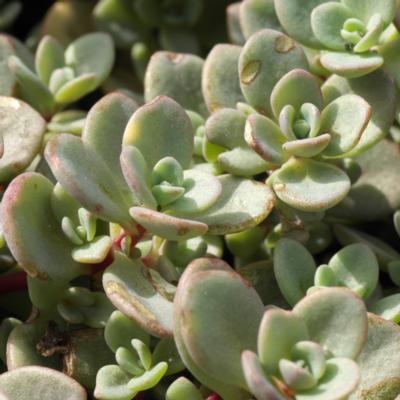
Where is the best place to plant Sedum?
Most Sedums grow best in full sun and well-drained soil. Especially in winter, it is important that water does not remain around the roots for long periods. In soil that is too wet, the risk of weak growth and plant loss increases considerably.
Does Sedum tolerate drought well?
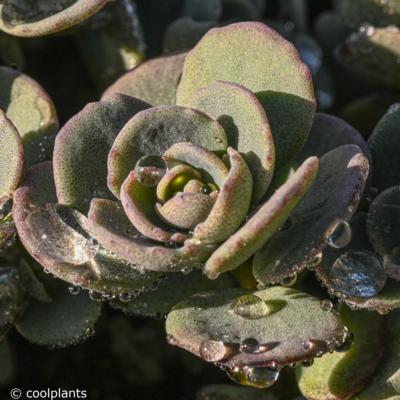
Yes. Sedum stores water in its fleshy leaves and is therefore well adapted to dry conditions. Once established, many species need little additional water. Newly planted plants should still be watered sufficiently until they are well rooted.
Why does a tall Sedum sometimes fall apart?
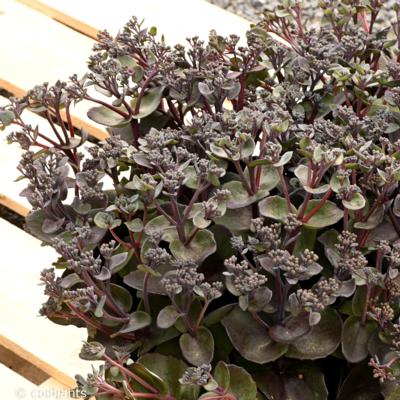
This usually happens in soil that is too rich, with too little sun or when the plant receives too much moisture. The stems then grow longer and softer. In a sunny position and on relatively lean soil, taller Sedums generally stay more compact and sturdy.
Should Sedum be cut back in autumn?
Not necessarily. On taller Sedums, the faded flower heads can remain in place until the end of winter. They provide structure in the garden and are often attractive when covered with frost. Cut the old stems back in early spring, just before the new shoots begin to grow.
Are all Sedums suitable for a rock garden?
No. Low, compact-growing species are the most suitable for rock gardens, dry-stone walls and dry joints. Taller cultivars form sturdy clumps and are better suited to sunny borders or prairie-style plantings. Always check the final height and growth habit of the species or cultivar.
Is Sedum useful for bees and other pollinators?
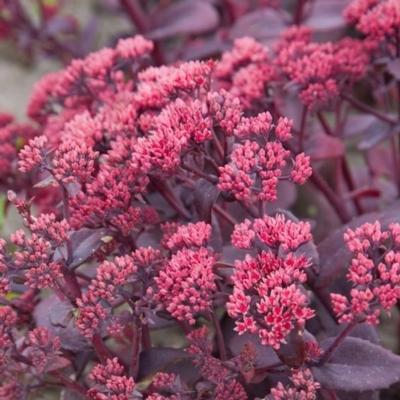
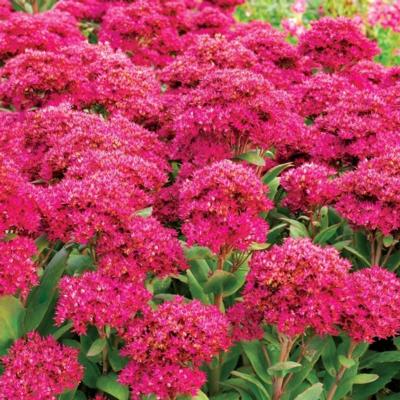
Many Sedums are excellent nectar plants. Summer- and autumn-flowering types are especially popular with bees, hoverflies and butterflies. This makes them particularly valuable later in the season, when fewer other perennials are still in flower.