Snowdrops (Galanthus): species, cultivars and growing advice
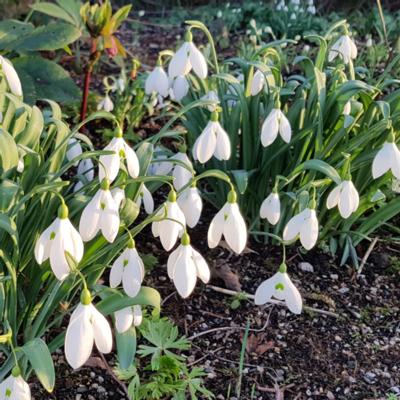
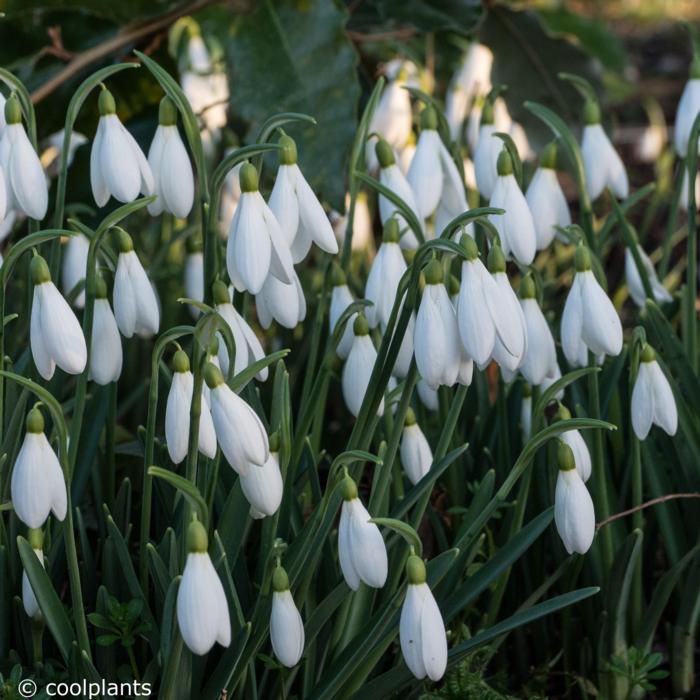
Snowdrops belong to the genus Galanthus and are true winter and early spring flowering plants. Many species and cultivars open their flowers in January and February, sometimes even earlier, making them among the first garden plants to appear again after the darkest winter months.
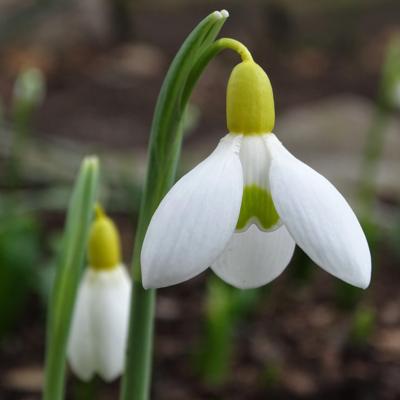
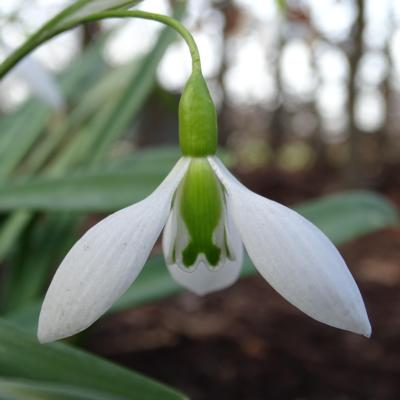
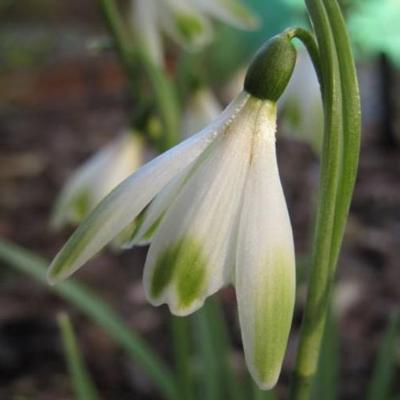
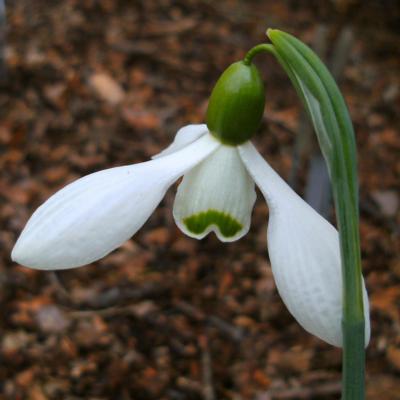
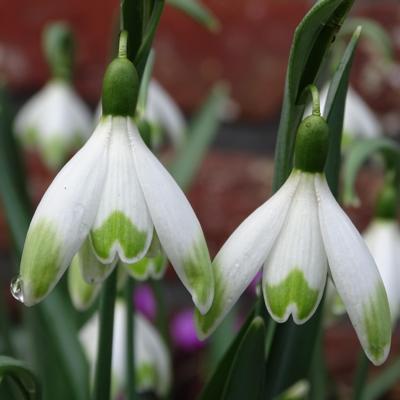
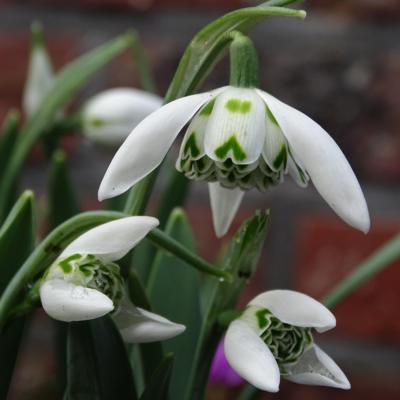
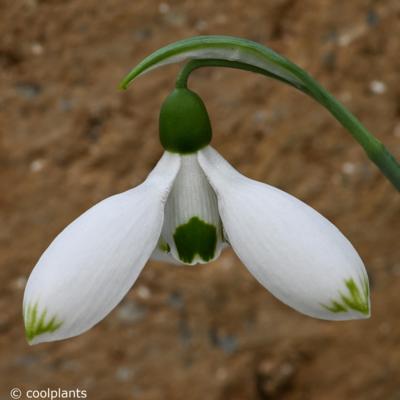
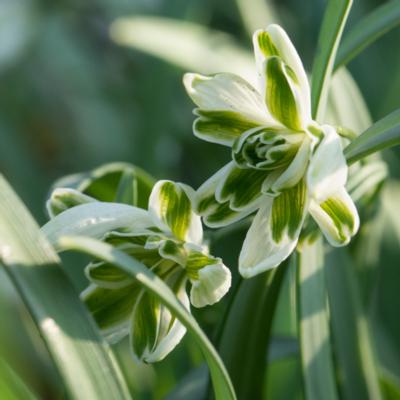
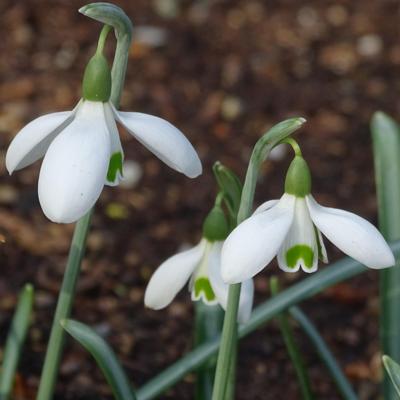
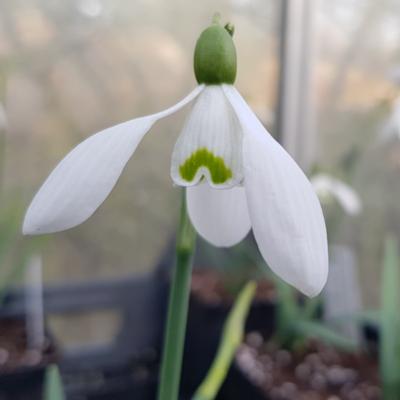
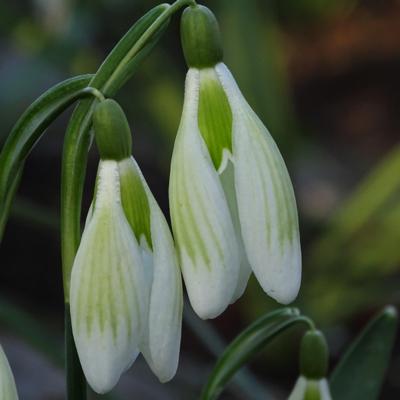
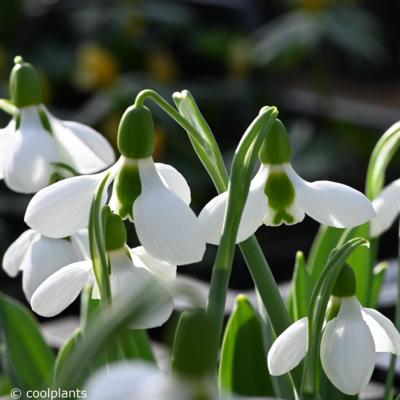
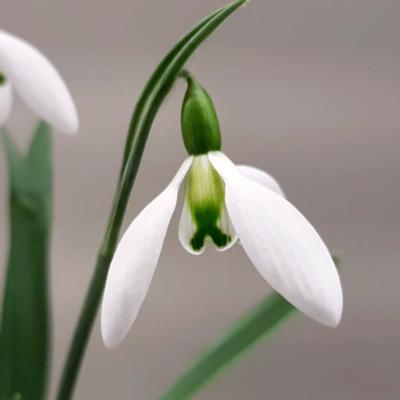
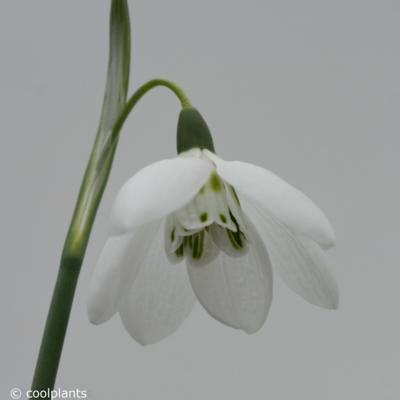
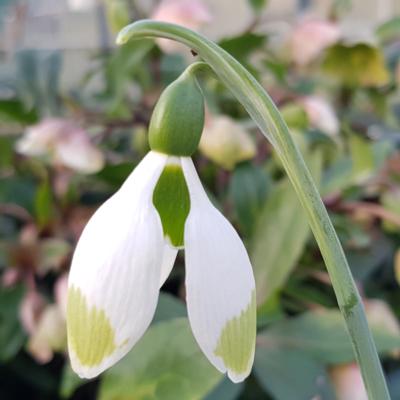
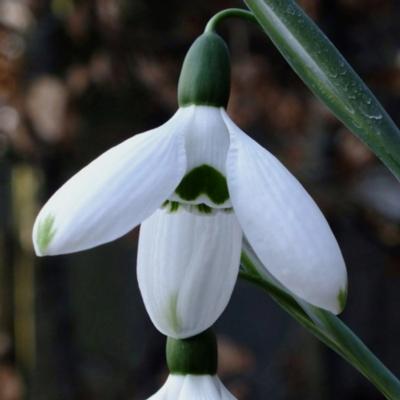
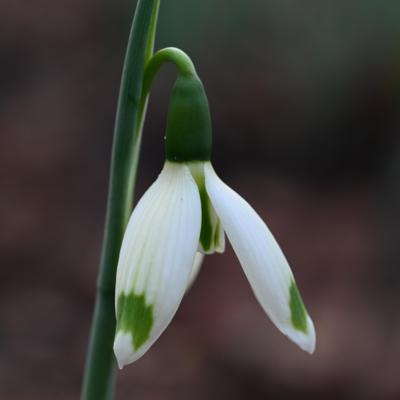
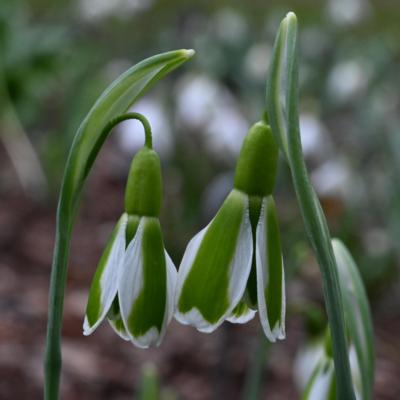
The typical flower consists of three outer white petals and three shorter inner segments, often marked with green or yellow-green. This variation in shape, markings, size and flowering time is exactly what makes Galanthus so interesting to enthusiasts and collectors.
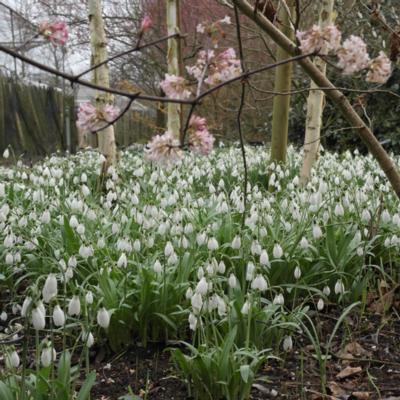
Snowdrops grow best in humus-rich, well-drained soil in partial shade or light shade. They often thrive beneath deciduous trees and shrubs: in winter and early spring they receive plenty of light, while later in the season they benefit from more shelter.
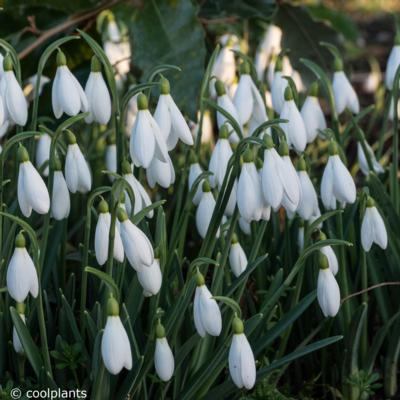
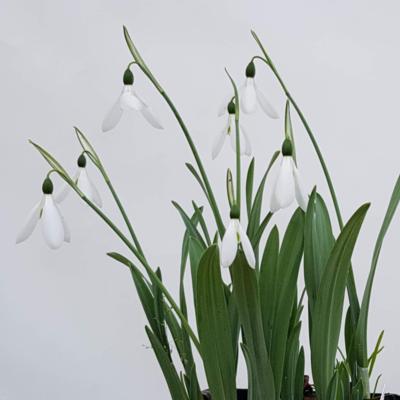
Once established, Galanthus are strong, long-lived plants that require little maintenance. They can slowly develop into larger clumps and fit well in woodland edges, naturalistic plantings, rock gardens and among other early spring flowering plants.
If you want to move or divide snowdrops, this is best done “in the green”: shortly after flowering, while the leaves are still green. At this stage, the bulbs usually recover quickly. Do not let them dry out too much, and make sure the soil does not dry out completely after planting.
At coolplants you will find both well-known Galanthus species and unusual cultivars and collector’s forms, differing in flower markings, flowering time, growth habit and rarity. If you would like to explore snowdrops in more detail, you can find more information about this fascinating genus at Galanthus.be.
Good to know: snowdrops are available at coolplants during two main sales periods. The dormant list (dry bulbs) runs from 1 to 20 July, with delivery at the end of August. The main sales period for “in the green”
-
NEW
-
NEW
-
NEW